
Insights for owner-led businesses

The Singular Command Blog.

Practical thinking on business visibility, weekly management rhythms, and leadership accountability. Explore ideas that help you run your business with greater clarity and own the results.

Lead Source Tracking: Stop Guessing Where Customers Come From

Lead source tracking helps business owners understand which marketing activities, referrals, and sales channels produce real customers. The goal is not simply to count inquiries. It is to connect each opportunity to its origin, evaluate lead quality, and make better decisions about where to invest time and resources. Quick Answer Lead source tracking is the process of recording where potential customers first discover or contact a business and connecting that information to sales outcomes. An effective system captures the source
Read Article »

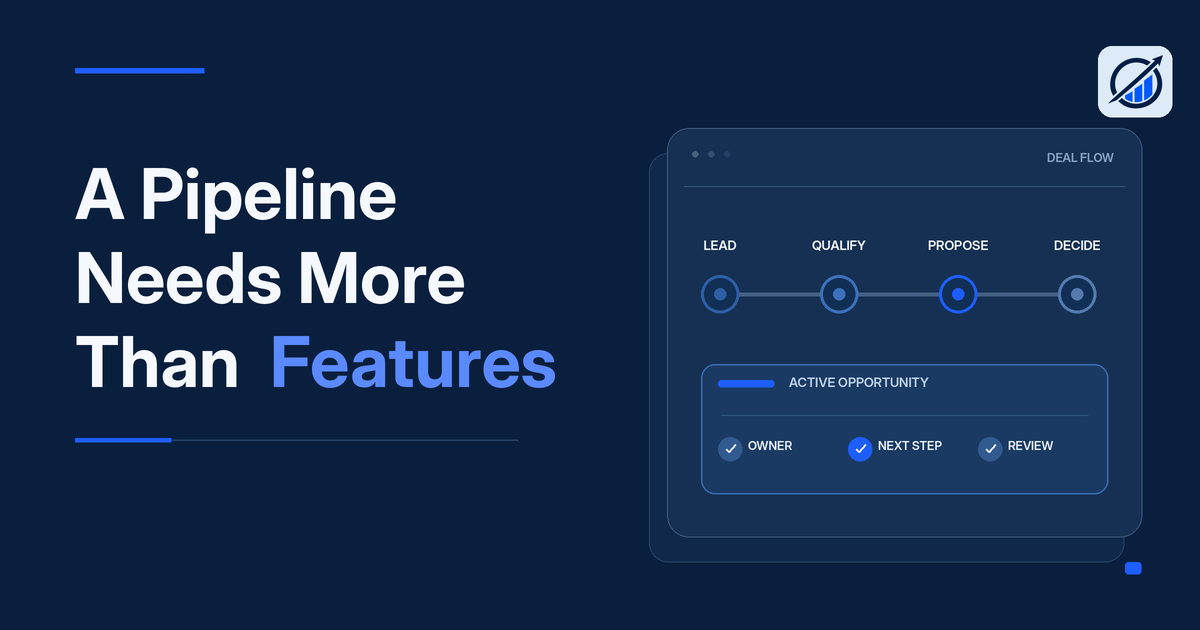
Sales Pipeline Management Software: What Matters Beyond the Feature List

Choosing sales pipeline management software requires more than comparing dashboards, automation features, and integrations. For owner-led businesses, the real test is whether the system improves visibility, clarifies responsibility, and helps the sales team consistently move opportunities forward. Quick Answer The best sales pipeline management software is not necessarily the platform with the most features. It is the one that fits how your business sells, keeps opportunity information accurate, assigns responsibility, and supports better management decisions. A useful system should show

Read Article »

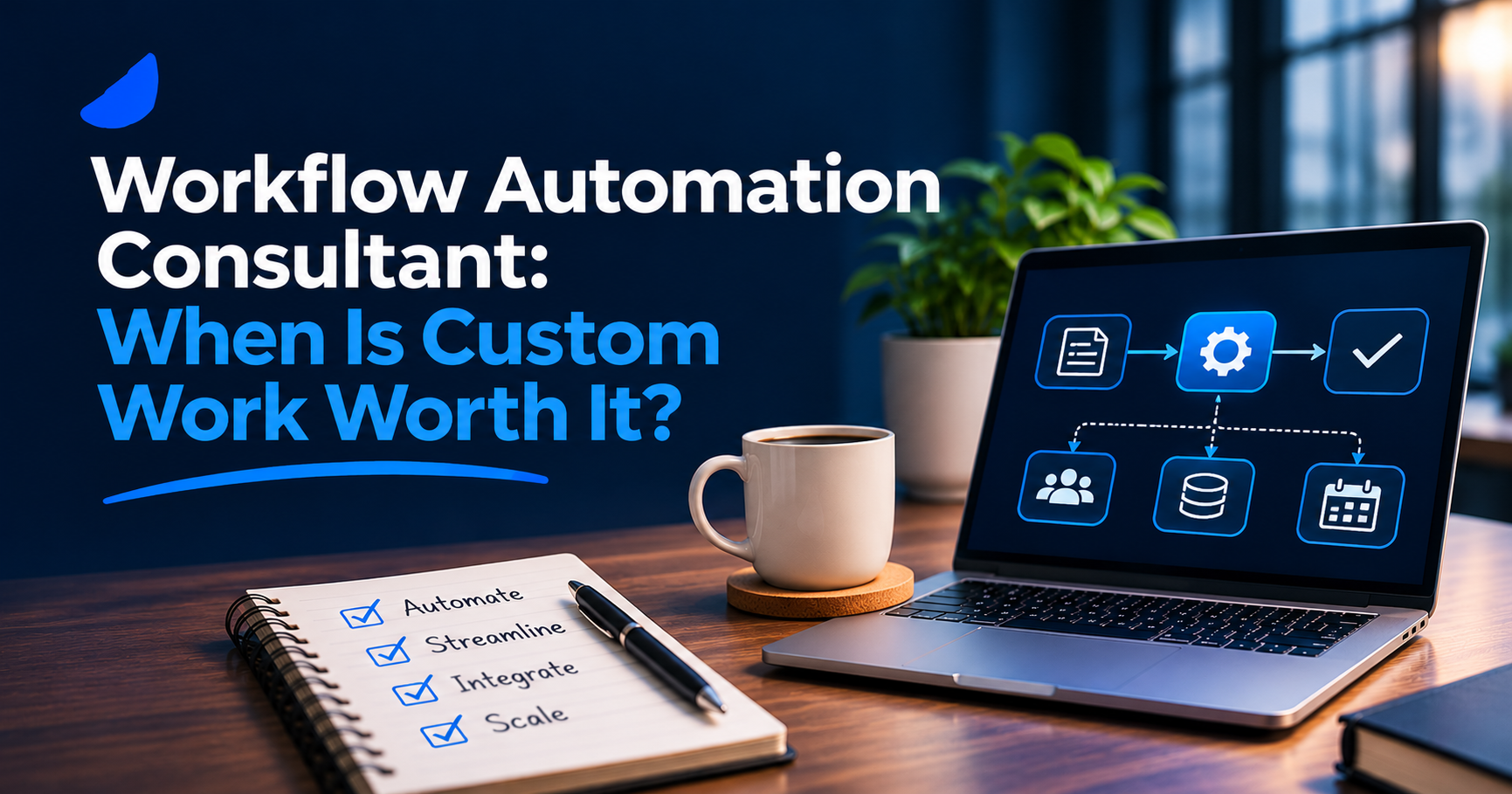
Workflow Automation Consultant: When Is Custom Work Worth It?

Every growing business reaches a point where manual processes begin slowing down operations. Employees transfer information between systems, managers repeatedly request updates, and routine tasks consume time that could be spent serving customers or improving performance. Hiring a workflow automation consultant may seem like the logical next step. But does every business need custom automation? Not necessarily. Some workflow problems can be resolved by improving existing processes or configuring software the business already owns. Others require integrations, specialized automation, or

Read Article »

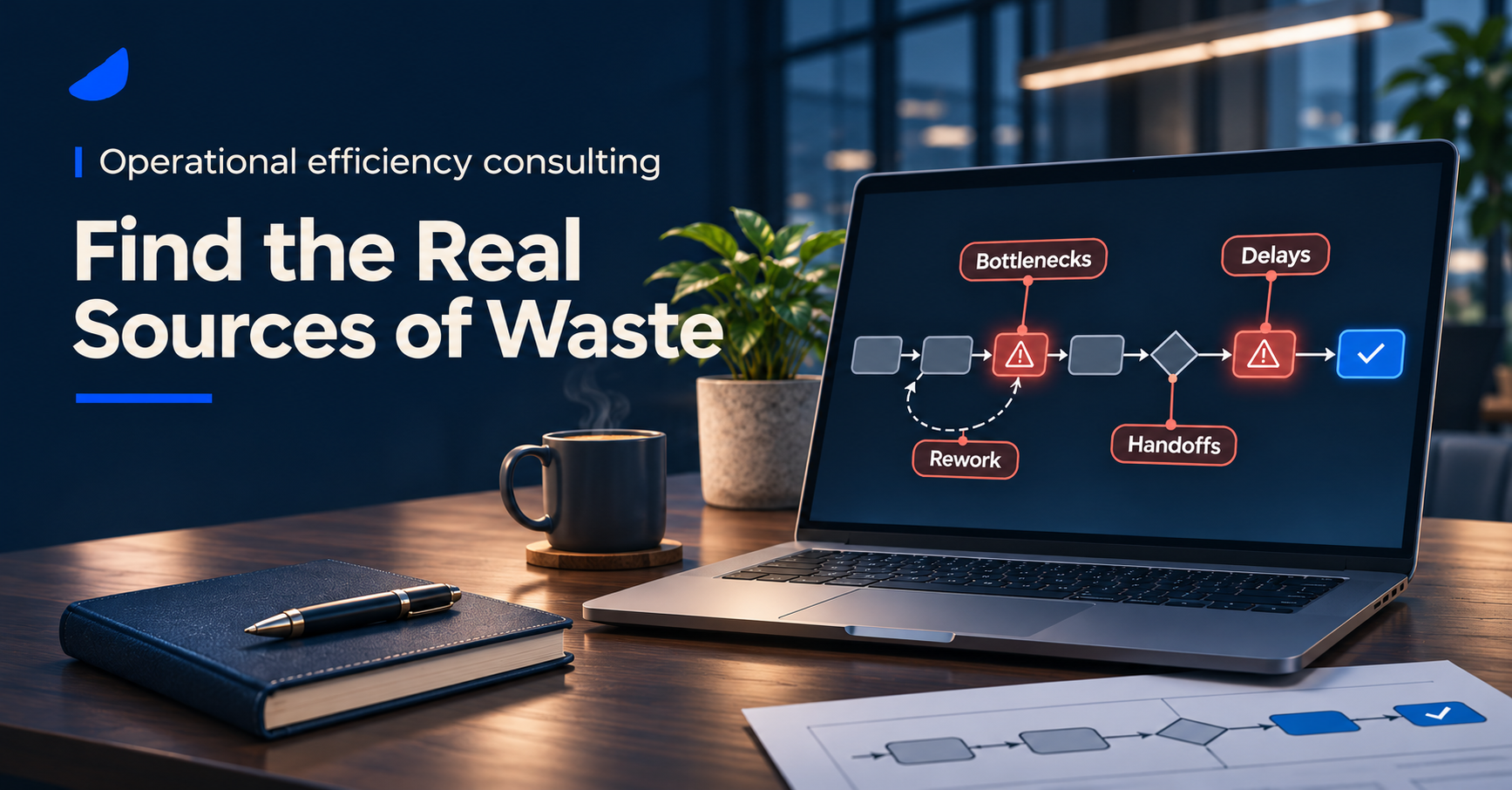
Operational Efficiency Consulting: Find the Real Sources of Waste

Operational inefficiency is not always obvious. A business can have hardworking employees, modern software, and growing revenue while still losing time, money, and productive capacity through poorly connected processes. Operational efficiency consulting helps business owners identify where resources are being wasted, understand why those problems keep happening, and build practical systems that improve performance. The objective is not simply to make employees work faster or reduce expenses. It is to make the business operate with greater clarity, consistency, and accountability.

Read Article »

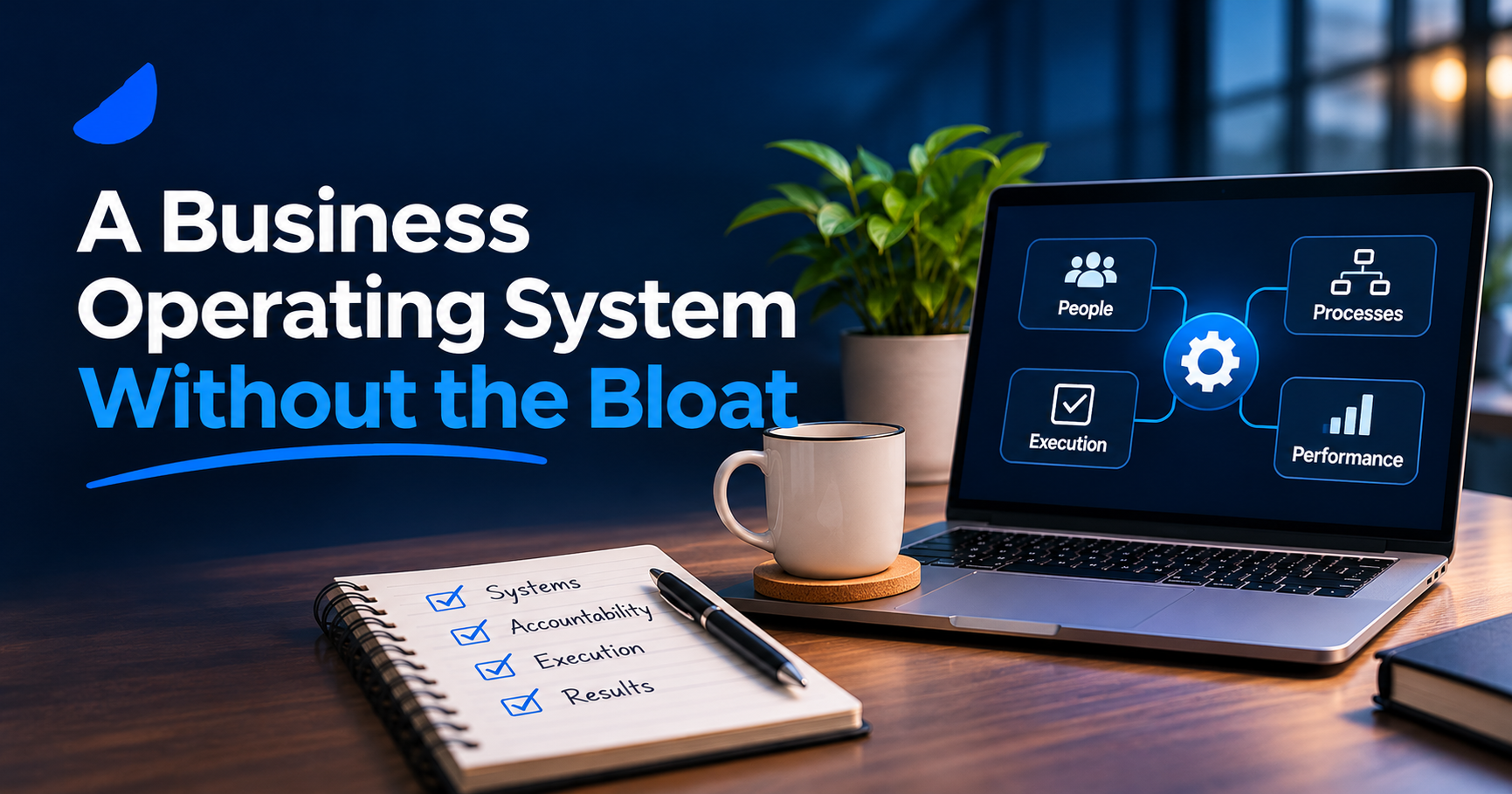
Small Business Operating System: Build One Without Enterprise Complexity

A practical guide to creating a business operating system that gives owners better visibility, clearer responsibilities, and consistent execution without expensive enterprise software or unnecessary management layers. Quick Answer A small business operating system is a practical management framework that connects performance metrics, workflows, responsibilities, and recurring leadership decisions. You do not need an expensive enterprise platform to build one. Start with five essential components: a weekly scorecard, clearly assigned responsibilities, documented workflows, a structured leadership meeting, and a reliable

Read Article »

Leadership Meeting: The Weekly Routine That Moves Decisions Forward

A business can hold leadership meetings every week and still struggle with the same unresolved problems. Sales reports its numbers. Operations discusses delays. Finance provides updates. Managers explain what happened during the previous week. Everyone participates, but important decisions remain unfinished. The following week, the same issues return. For many owner-led businesses, the problem is not a lack of meetings. It is the absence of a consistent management process that connects performance, decisions, and accountability. A structured weekly leadership meeting

Read Article »

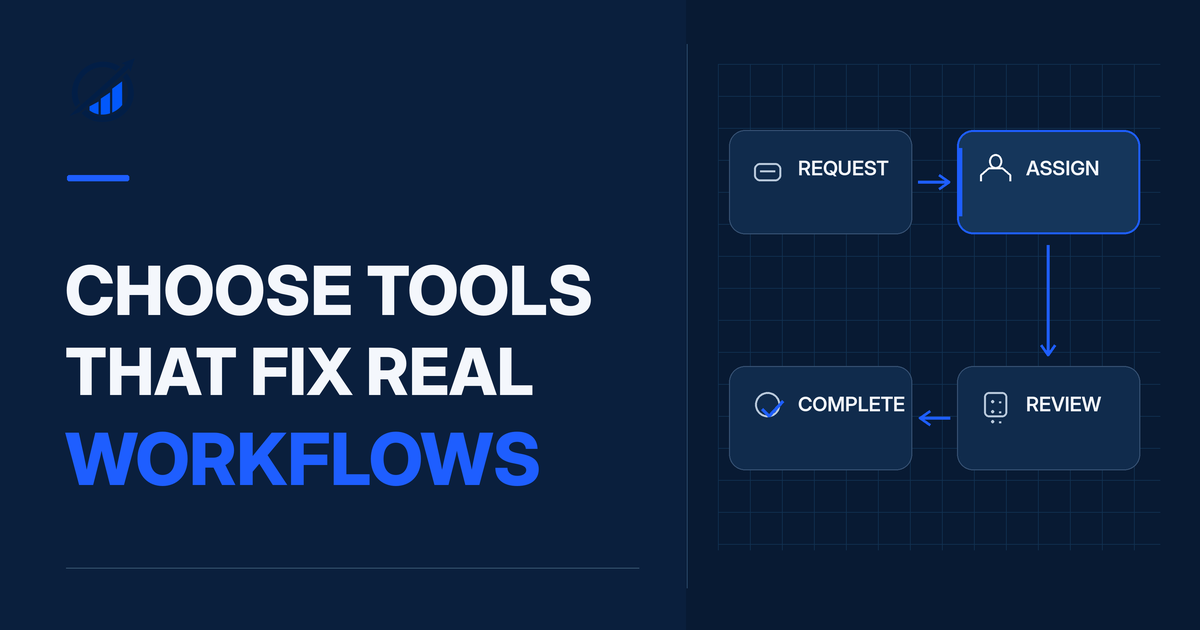
Workflow Automation Software: How to Pick Tools That Solve Real Workflow Problems

A business can invest in new software, connect several applications, and automate dozens of tasks while still struggling with missed deadlines, incomplete handoffs, and decisions that constantly return to the owner. The problem is not always the technology. Sometimes the business automates a process that was never clearly defined. A notification is sent, but nobody owns the next action. Information moves between systems, but the records are inconsistent. A task is created automatically, yet managers still have to chase employees

Read Article »

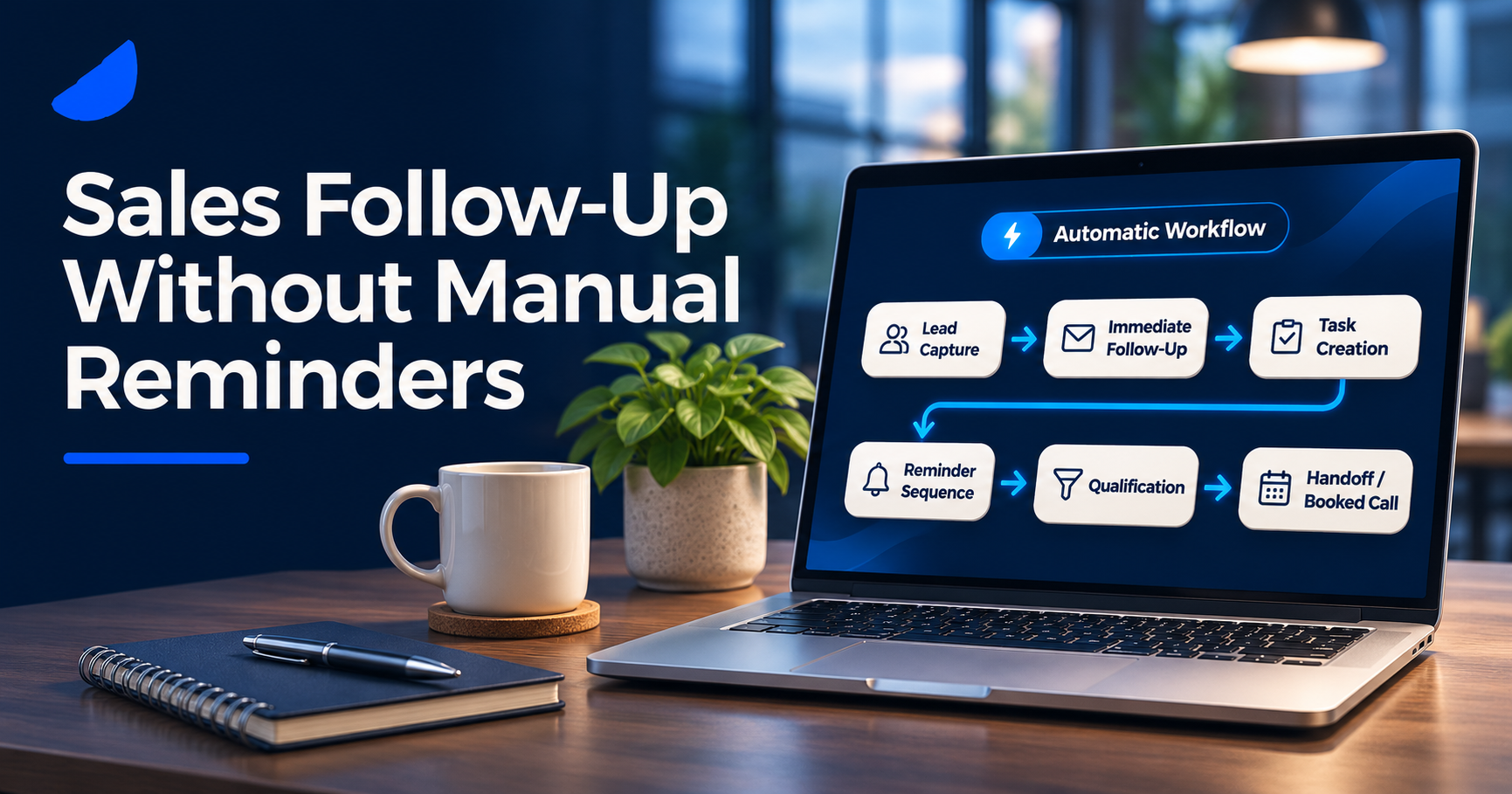
Sales Process Automation: What Should Happen Without Manual Reminders?

A business should not depend on its owner remembering which lead needs a response, which proposal is waiting for approval, or which salesperson forgot to follow up. Yet many owner-led businesses operate exactly this way. They may have a CRM, experienced salespeople, and established procedures. Still, opportunities sit untouched, customer inquiries require manual attention, and managers spend their time reminding employees to complete routine tasks. The problem is not always a lack of technology. More often, the sales process lacks

Read Article »

What a Business Process Mapping Consultant Reveals About Hidden Bottlenecks

A business can have experienced employees, established procedures, and reliable software while still struggling with repeated delays, missed handoffs, and decisions that constantly return to the owner. These problems are not always visible in financial reports or department-level performance dashboards. They often exist between the steps of everyday work. A business process mapping consultant helps make those gaps visible by examining how work actually moves through the company, where it slows down, and who is responsible for moving it forward.

Read Article »

The Core Business Systems Every Owner Needs to See Working Together

A business can have excellent software, experienced managers, and established processes while still depending too heavily on its owner. The problem is often not a lack of systems. It is that those systems do not produce one reliable picture of performance or a consistent way to act on it. Understanding how the core business systems work together helps owners connect daily activity to financial performance, leadership responsibility, and better weekly decisions. Quick Answer The core business systems every owner needs

Read Article »